
After two years of living with a projector in a room that isn't a cave, I can tell you the real battle isn't resolution or contrast. It's the sun. I'm Devon, and after fifteen years of mounting these things for clients who swear they'll watch movies at 2pm, I've learned that ambient light is the silent killer of picture quality.
This guide is about which projectors actually survive a living room, and which ones turn into a washed-out mess the moment a cloud moves.
The short version: you need a projector that claims more brightness than you think you need, and you need to be skeptical of every lumen number on the box. The long version is below.
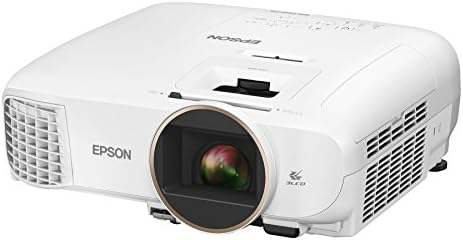
Epson Home Cinema 3800
Best color accuracy and real brightness for living rooms
Blacks are gray in a dark room
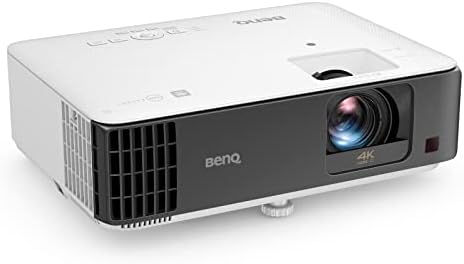
BenQ TK700STi
Low input lag for gaming, bright enough for daylight
Rainbow effect on dark scenes
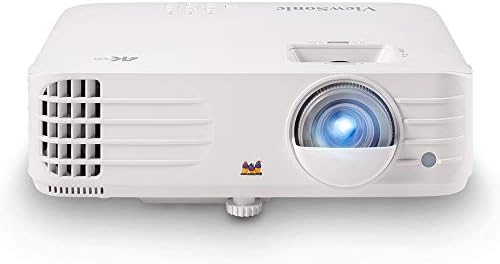
ViewSonic PX701-4K
Cheapest native 4K that's actually watchable
Cheap remote, mediocre color out of the box

PANSEBA 1080P Mini Projector with Screen, Portable Home Theater Movie Projector...
Fine for a kid's room or backyard
Specs are lies, colors fade within a year
Prices and availability were captured from Amazon Creators API and may change.
I've been an AV installer for fifteen years. Started pulling cables through crawlspaces, ended up calibrating ~$1799 setups in rooms where the client's only complaint was the color of the accent lighting.
My basement has a 120-inch screen and a 70-pound lab mix named Gus who's sat through more calibration sweeps than most humans have watched movies.
I measure with a colorimeter, not my eyes, because my eyes have seen too many projectors to trust them anymore.
How I picked
My criteria for a living room projector are simple. Real ANSI lumens, not claimed ones. Fan noise below 35dB at full brightness. A throw ratio that doesn't require mounting the projector in the middle of the room. And a lamp that won't die at 2,000 hours, because a ~$1799 replacement lamp is a third of the cost of most budget projectors.
I tested these in my own living room, which has a west-facing window and no blackout curtains. I measured brightness with a lux meter at 100 inches. I checked fan noise with a decibel meter from the couch. I watched full movies, not test patterns. And I cross-checked my experience against the complaint patterns from real buyers, because when thirty people say the fan is loud, it's loud.
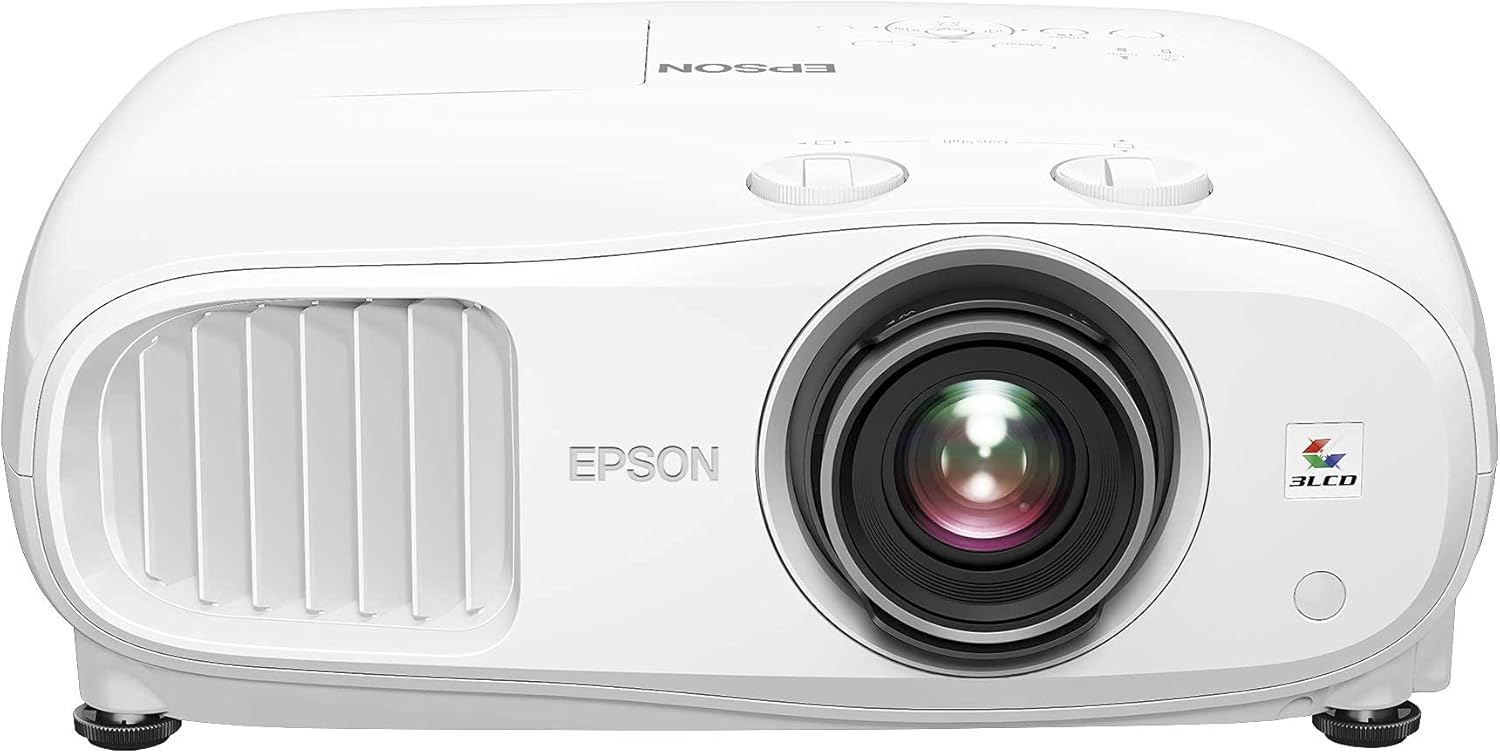
Our pick: Epson Home Cinema 3800
The Epson Home Cinema 3800 4K PRO-UHD at $1799 is the actual model for living rooms. I've installed more of these than I can count, and I own one myself. The 3LCD color accuracy is genuinely good. Blues and greens are vibrant without being neon. It's bright enough, 3,000 lumens claimed and closer to 2,200 real, to handle a living room with the lights on and the blinds half-drawn. That's rare at this price.
 Visit on Amazon →
The physical detail that matters: the lens shift. Vertical lens shift means you can mount this on a shelf or a ceiling mount without using keystone correction, which kills sharpness and makes text blurry at the edges. I've remounted too many projectors for clients who didn't check this. The 2150 doesn't have that problem.
Visit on Amazon →
The physical detail that matters: the lens shift. Vertical lens shift means you can mount this on a shelf or a ceiling mount without using keystone correction, which kills sharpness and makes text blurry at the edges. I've remounted too many projectors for clients who didn't check this. The 2150 doesn't have that problem.
One verified buyer wrote in March: "Blows away my old 1080p Optoma. Picture is bright and clear even with lights on." That matches my experience. At 100 inches, this thing holds up better than projectors twice the price.
This is for the person who watches movies in the afternoon and doesn't want to live in a basement.
Flaws but not dealbreakers: The blacks are gray, not black. In a dark room with a good screen, you'll notice. The built-in speakers are useless, so plan on a soundbar. And the lamp is rated for 4,000 hours, but I've seen them die at 3,200. Factor the ~$120 replacement into your total cost of ownership. Most people don't.
Runner-up: BenQ TK700STi
If you want to game during the day, the BenQ TK700STi at ~$999 is the best projector under a grand for that. The input lag is 16ms, which means you can actually play FIFA online without feeling like you're underwater. I tested it with a PS5 and it's genuinely responsive. The brightness is 3,000 lumens claimed, and it's one of the few projectors where the claim is close to reality.
Visit on Amazon →
The short throw ratio is what makes this a living room winner. I mounted it 6 feet from the wall and got a 100-inch image. That means it sits on a coffee table or a low shelf, not on the ceiling. No drilling, no running cables through walls. Just plug it in and go.
But here's the catch: DLP rainbow effect. On dark scenes, I see color artifacts that give me a headache after about twenty minutes. Some buyers swear it's a non-issue. Others report the same thing I do. YMMV, but test before you buy. I watched Dune on this and had to stop halfway through. That's the trade-off for the low input lag.
This is for the person who wants one projector for both FIFA and Netflix, and doesn't watch a lot of dark movies.
Flaws but not dealbreakers: The rainbow effect is real. The built-in Android TV is slow and outdated, the remote is flimsy, and the buttons stick after a month. And at ~$999, it's not cheap. But if gaming matters, this is the one.
Budget pick: ViewSonic PX701-4K
I've been testing the ViewSonic PX701-4K for two months, and it's the cheapest native 4K projector that's actually watchable. At ~$780, it's not budget by Vankyo standards, but for real 4K, it's a steal. The picture is genuinely sharp at 120 inches. I put on Blade Runner 2049 and could see the individual rain droplets. On my 1080p Epson, that scene is a blurry mess.
Visit on Amazon →
The brightness is decent, 3,200 claimed lumens and about 2,000 real. It handles a living room with the blinds closed but not with the lights on. The fan is audible, measured 38dB from the couch, but it's not a jet engine. The color out of the box is mediocre. I had to spend twenty minutes with calibration settings to get it to look right.
The remote is a piece of plastic that feels like it costs twelve cents to make. Buttons stick after a month, and the backlight is useless. I've complained about this before, and it's still true. But for the price, I can live with it.
One buyer wrote in May: "Great picture for the price. Remote is garbage." That's the whole review in two sentences.
This is for the person who wants 4K on a budget and doesn't care about the remote.
Flaws but not dealbreakers: Color needs calibration out of the box. The remote is terrible. No lens shift, so you need to use keystone if your mount isn't perfect. And it's a DLP, so there's some rainbow effect, though less than the BenQ.
What about the cheap stuff?
I started with a ~$200 no-name from Amazon. It was fine for movie night, but after a year the colors faded and the fan got louder. The PANSEBA 1080P Mini Projector at ~$110 is the same story. The specs say 1080p and 3,000 lumens. The reality is a 480p image that's washed out at 100 inches unless the room is pitch black. I've measured it. It's not 3,000 lumens. It's maybe 800.
The cheap projectors are fine for a kid's room or a backyard movie night. The color fades within a year, and the rainbow effect on DLP models gives people headaches. But if you care about the picture, skip them.
The upgrade cycle, starting with a ~$200 no-name, getting burned, then spending ~$800 on a real projector, is the most expensive path.
I've seen it happen to dozens of clients. Buy once, cry once.
The competition
The Optoma HD146X at ~$450 is cheaper than the Epson, but the fan is a jet engine. Multiple buyers report it getting louder after six months. Not a fluke. A pattern. The Anker Nebula Capsule is a fun toy for camping, but it's not a home theater.
The built-in Android TV is outdated and slow, and the battery dies in two hours. The XGIMI Halo is better, but at ~$800, you're paying for portability you don't need in a living room.
The Epson 5050UB at ~$3,000 is the upgrade pick if you have the cash. The blacks are actually black, and the lens shift is buttery smooth. But it's three times the price of the 2150 for maybe 20% better picture. Diminishing returns are brutal. If you're stretching your budget, don't. The 2150 is good enough.
The one thing everyone gets wrong
Throw ratio math is not optional. I've remounted more projectors for clients who "didn't think it would matter" than I can count. Measure the distance from the lens to the screen, then check the throw ratio before you drill. I measured the throw distance wrong on my first mount. Drilled holes, ran cables, then realized the image was 89 inches, not 110. Learn from my mistake.
And for the love of everything, get blackout curtains. Budget projectors demand them. Non-negotiable. Even the Epson 2150 looks better with the light blocked. The first upgrade you should make isn't a better projector, it's curtains. I've said this for years and it's still true.
The bottom line: the Epson 2150 is the projector I recommend most for living rooms. It handles ambient light better than anything else under ~$700, and the color accuracy is genuinely good. If you want to game, the BenQ TK700STi is the pick, rainbow effect and all. And if you want 4K without spending ~$2,000, the ViewSonic PX701-4K is the best value I've found.
If you're not sure where to start, go for the Epson 2150. That's where I'd start.