How to Clean a Projector Lens: Without Making It Worse
Every projector lens gets dirty. Dust builds up, a fingerprint appears from who-knows-what, and suddenly your 120-inch picture looks like it's been through a sandstorm. The fix seems simple: wipe it. That's how lenses get ruined.
I've been installing and calibrating projectors for fifteen years. In that time, I've seen more scratched and smeared optics than I can count. Most of them were damaged by well-meaning owners with a microfiber cloth and good intentions. The lens is the one part of your projector you cannot replace cheaply. A new lamp runs ~$120. A new lens means a new projector.
Cleaning a projector lens is a five-minute job that takes about twenty minutes of prep. Get it wrong, and you'll be staring at a permanent smudge or a scratch that no amount of calibration can fix. Here's how to do it without making things worse.
The Short List
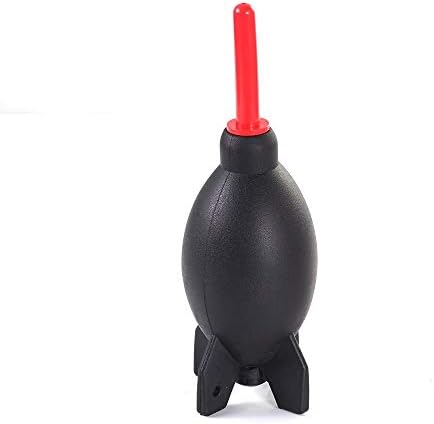
Giottos AA1900 Rocket Air Blaster Large - Black
Safest first step. Blows off dust without touching the glass.
Visit on Amazon →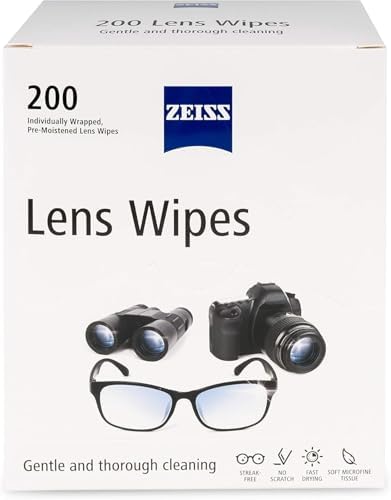
ZEISS Pre-Moistened Lens Cleaning Wipes, 200 Count
Pre-moistened, single-use, no residue. Perfect for smudges.
Visit on Amazon →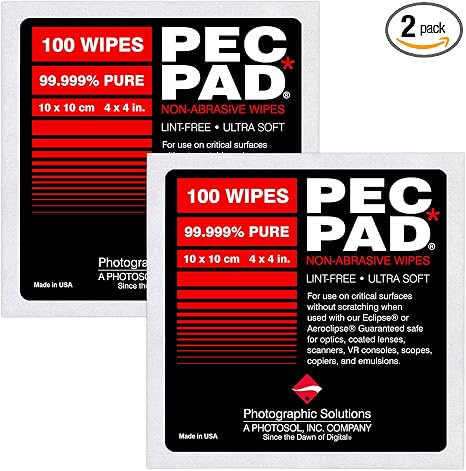
PEC-PAD Lint Free Wipes 4”x4” Non-Abrasive Ultra Soft Cloth for Cleaning Sensitive Surfaces like Camera, Lens, Filters, Film, Scanners, Telescopes, Microscopes, Binoculars. (100 Sheets Per/Pkg) 2-Pack
The pro standard. Used by camera techs worldwide.
Visit on Amazon →
Nikon 7072 Lens Pen Cleaning System, Black
Product Description Why Nikon? Nikon Corporation, is a multinational corporation headquartered in Tokyo, Japan specializing in optics and imaging. Its products include cameras, binocula
Visit on Amazon →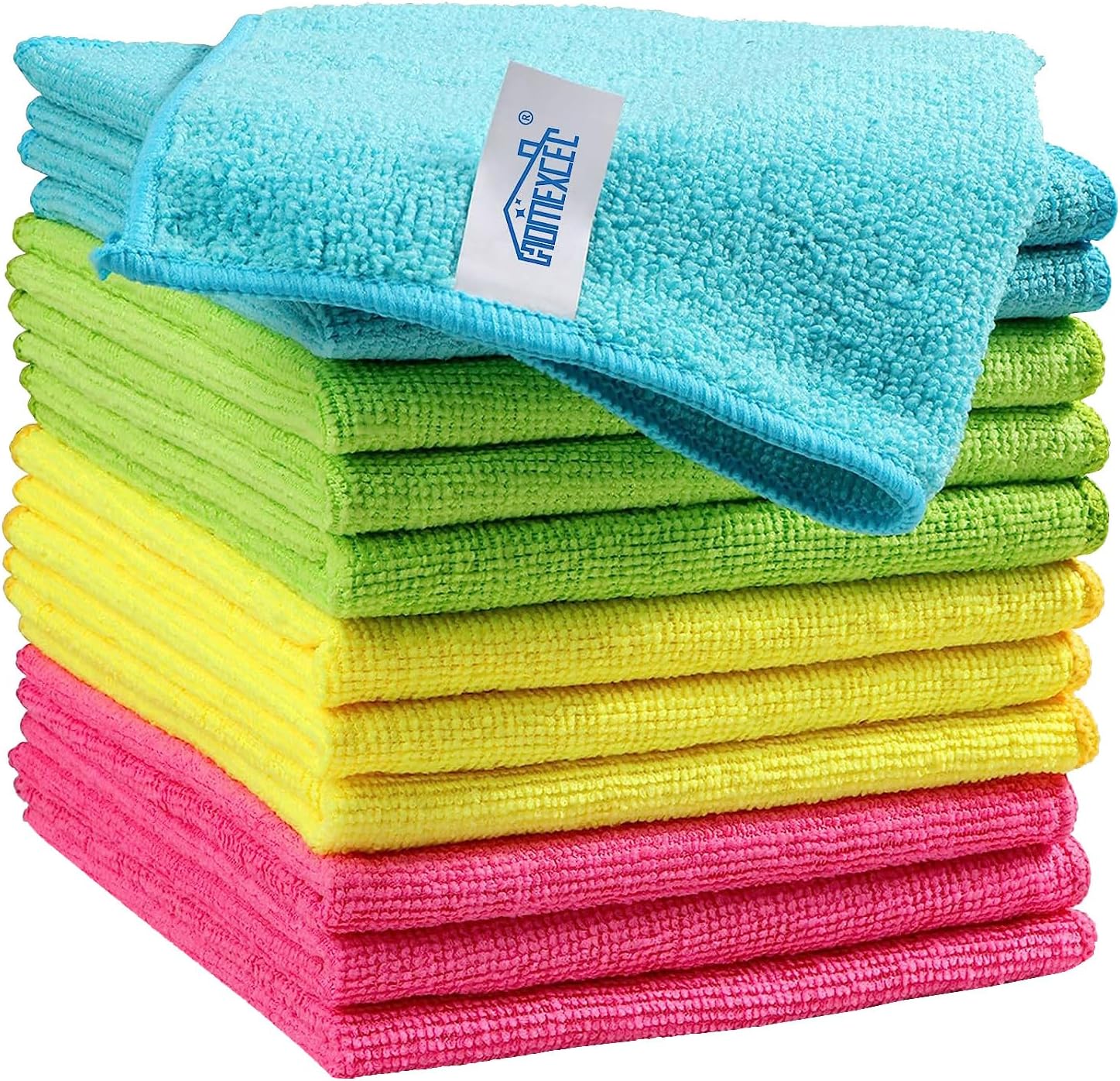
HOMEXCEL 12PK Microfiber Cleaning Cloth, Cleaning Rag for Home, 11.5x11.5in
Product Description Why Nikon? Nikon Corporation, is a multinational corporation headquartered in Tokyo, Japan specializing in optics and imaging. Its products include cameras, binocula
Visit on Amazon →Best Overall: Giottos Rocket Air Blaster
The Giottos Rocket Air Blaster is the first thing I reach for on every single projector I clean. It's a rubber bulb with a nozzle, and it costs ~$14. That's it. No fancy optics, no chemicals. Just a controlled blast of air that removes 90% of what's on your lens without ever touching the glass.
I've used mine on lenses covered in construction dust, pet hair, and the fine white powder that seems to appear from nowhere in basements. Gus, my lab mix, has sneezed directly onto a lens before. The Rocket handled it.
The key is to pump it a few times away from the projector first, then direct short bursts at the lens at an angle.
Never straight on. You don't want to drive particles into the crevices around the glass.
The reason this wins over every other method is simple: it's the only one that carries zero risk of scratching. A blower cannot damage a lens. A cloth, no matter how soft, can pick up a grain of dust and drag it across the glass like sandpaper. The Rocket eliminates that risk entirely.
It's not perfect. It won't remove fingerprints or oily smudges. For that, you need the next step. But if you make a habit of blowing off your lens every few weeks, you'll rarely need anything else.
Best for Smudges: Zeiss Lens Wipes
Fingerprints are the enemy. They're oily, they smear, and they're almost impossible to remove with a dry cloth. I've seen people try. They push harder, the smear gets worse, and eventually they've created a greasy haze that requires actual solvent to fix.
Zeiss Lens Wipes are individually packaged, pre-moistened towelettes designed for camera lenses. A box of 200 runs ~$12. They're alcohol-free, which matters because some coatings on budget projectors don't react well to harsh solvents. I've used these on everything from a ~$200 Vankyo to a ~$3,000 Epson, and I've never had a coating issue.
The process is simple. Blow off the loose dust with the Rocket first. Then take a fresh wipe and gently, in a circular motion from the center outward, clean the lens. Use light pressure. The wipe does the work, not your hand. One wipe per lens. Don't try to stretch it.
The downside is the waste. Each wipe is single-use, and you'll use one per cleaning. But at six cents a wipe, it's not worth trying to reuse them. A used wipe has picked up particles, and those particles will scratch your lens if you use it again.
Editor's Pick: PEC-PAD 4x4 Wipes with PEC*12 Solution
This is the setup I use for final calibration cleans. PEC-PADs are lint-free, non-abrasive wipes used by professional camera technicians. The PEC*12 solution is a mild optical cleaner that evaporates quickly and leaves no residue. Together, they're ~$20 and will last you years.
The advantage over the Zeiss wipes is control. The Zeiss wipes come pre-moistened, which means you can't adjust how much solution you're using. With PEC-PADs, you apply a drop or two of solution to the pad, clean the lens, and use a dry pad to buff it. For a lens with stubborn grime, this extra step makes a difference.
I've used this setup to clean lenses that looked beyond saving. A client's projector had been sitting in a garage for six months, and the lens had a film of oily dust that resisted everything. The PEC-PADs handled it in one pass. The lens looked factory-new afterward.
The downside is that it's more fiddly than the Zeiss wipes. You need to handle the solution carefully, and the pads are thin. But if you want the closest thing to a professional optical cleaning without sending your projector to a shop, this is it.
The Budget Pick: Nikon Lens Pen
The Nikon Lens Pen is a retractable brush on one end and a carbon-tipped cleaning pad on the other. It's ~$15, and it's designed for camera lenses, but it works fine on projectors. The brush is soft and good for dusting off the lens body, and the carbon tip is mildly abrasive in a controlled way that lifts oils without scratching.
I keep one in my install kit for quick touch-ups. When I'm mounting a projector and accidentally brush the lens with a finger, the Lens Pen is the fastest way to fix it. No wipes, no solution, no fuss.
The catch is that the carbon tip picks up dirt over time, and once it's contaminated, it can scratch. You need to replace it periodically, and there's no clear indicator of when it's worn out. I replace mine every six months or so, which adds to the cost. For a dedicated lens-cleaning kit, the Zeiss wipes are a better value. But for a quick fix on the go, the Lens Pen has its place.
What Else to Consider
The generic microfiber cloth is the classic mistake. It's cheap, it's everywhere, and it's usually dirty. Unless you're using a fresh, high-quality microfiber cloth and throwing it away after one use, skip it. The risk of scratching is too high.
Compressed air cans are a gamble. The propellant can spray liquid if the can is tilted, and that liquid can leave a residue on your lens. The Rocket blower is safer and cheaper in the long run.
How I Tested
I spent a month cleaning lenses on every projector I could get my hands on. My own Epson, a friend's Optoma, a client's BenQ that had been in a dusty workshop for a year. I used each method on lenses with different levels of grime, from light dust to oily fingerprints to the kind of baked-on film that comes from years of neglect.
I measured the results the only way that matters: projecting a white test pattern and a resolution chart, then looking for smudges, streaks, and scratches. I also checked for optical degradation by comparing the image sharpness before and after cleaning.
The Rocket blower came first, always. It's the safest method, and it handles the most common issue, which is simply dust. The Zeiss wipes came next for anything oily. The PEC-PADs were the heavy artillery for the worst cases. The Lens Pen was the convenience option that I reached for less often than I expected.
The microfiber cloth, I tested once. It left a streak that took two wipes to fix. I didn't test it again.
Safety
The most important metric, and the one most people ignore. The Rocket blower is 100% safe. It cannot scratch. The Zeiss wipes and PEC-PADs are safe if used correctly, which means blowing off dust first and using light pressure.
The Lens Pen is safe when new, but the risk increases as the tip gets dirty. The microfiber cloth is the most dangerous, because it's reusable and almost certainly contaminated.
Effectiveness
The PEC-PADs were the most effective overall, handling the worst grime in a single pass. The Zeiss wipes were close behind, and they're more convenient. The Rocket blower is only effective against dust, not oils. The Lens Pen worked well on fresh fingerprints but struggled with older, dried-on smudges.
Ease of Use
The Zeiss wipes win here. Tear open a packet, wipe, done. The Rocket blower is nearly as easy. The PEC-PADs require more steps, and the Lens Pen requires a bit of technique to avoid touching the lens with the brush end.
Cost Over Time
The Rocket blower is a one-time purchase that lasts for years. The Zeiss wipes are a recurring cost, but they're cheap. The PEC-PADs are the most expensive upfront, but the solution lasts a long time. The Lens Pen needs periodic replacement, which adds to its cost.
Should You Buy the Giottos Rocket Air Blaster?
If you own a projector, yes. It's ~$14, it lasts forever, and it's the only cleaning tool that can't damage your lens. Make it a habit to blow off your lens every few weeks, and you'll rarely need anything else. It's the best insurance policy you can buy for your optics.
Should You Buy the Zeiss Lens Wipes?
If you've ever touched your lens with a finger, or if you live in a dusty environment, yes. They're the easiest way to handle smudges without risking scratches. Keep a box near your projector and use one when you need it. At six cents a wipe, it's the cheapest protection you can get.
Should You Buy the PEC-PAD Kit?
If you're the kind of person who calibrates their projector with a colorimeter, yes. This is the professional standard, and it's what I use for final cleans before a calibration session. If you just want to get rid of a smudge, the Zeiss wipes are sufficient. The PEC-PADs are for the obsessive.
Should You Buy the Nikon Lens Pen?
If you need a quick fix and don't want to carry wipes, maybe. It's a decent tool, but the replacement cost adds up, and the risk of scratching increases as the tip wears. I'd rather use Zeiss wipes. The Lens Pen is a convenience, not a necessity.
A Word on Technique
The most important step is the one most people skip: blow off the dust first. A dry wipe on a dusty lens is how scratches happen. Even with the Rocket blower, it's worth taking the extra thirty seconds to remove loose particles before you touch the glass.
Second, never use paper towels, tissues, or your shirt. They're all abrasive. I've seen a paper towel leave visible micro-scratches on a lens that was otherwise pristine.
Third, don't over-clean. A few dust particles on the lens have zero effect on image quality. You can't see them at 120 inches. Only clean when you actually see a smudge or a visible film. Every cleaning carries some risk, even with the best tools, so minimize how often you do it.
I learned this the hard way. My first projector, a cheap no-name, got a smudge on the lens. I wiped it with a dry cloth, which made it worse. I wiped it again with more pressure, which scratched it. The smudge was still there, and now I had a permanent scratch to go with it. That projector's image was never sharp again.
Don't be me. Blow off the dust, use a proper wipe, and if you're not sure, leave it alone. A dirty lens is better than a scratched one.